
Philosophy & Dojo Kun
"The ultimate aim of Karate-Do lies not in victory or defeat, but in the perfection of the character of its participants." — Master Gichin Funakoshi
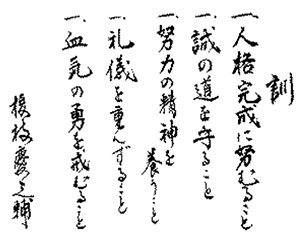
The 5 Rules of the Dojo Kun (道場訓)
Recited at the conclusion of every traditional training session across all JSKFI dojos.
One! Strive for the Perfection of Character
Karate is not a craft of physical violence. It is an instrument of self-sculpting, patience, humility, and moral rectitude.
One! Defend the Paths of Truth and Sincerity
Be truthful to yourself, your teachers, your peers, and society. Sincerity in practice yields sincerity in human conduct.
One! Foster the Spirit of Effort and Perseverance
True mastery requires relentless practice, resilience in the face of fatigue, and steadfast persistence through life's hardships.
One! Honour the Principles of Etiquette and Respect
"Karate begins and ends with respect." Treat seniors, juniors, opponents, and yourself with dignified courtesy.
One! Guard Against Impetuous and Rash Courage
Master self-control over temper and arrogance. True bravery is knowing when not to fight and preserving peace.
The Dojo Karate-ka Oath (道場訓)
The word Hitotsu precedes each rule, denoting that all five principles are of equal paramount significance. No precept ranks higher than another; character, sincerity, effort, etiquette, and self-restraint unite as one single code of budo.
- Character perfection over victory or defeat
- Harmonious relationship with all sports persons
- Lifelong physical health and spiritual growth
The Meaning of the Dojo Kun
Comprehensive philosophical breakdown of the 5 sacred precepts as taught in the traditional dojo.
Seek Perfection of Character
The art of karate is far more than just physical. All beginners, especially the young, should be taught the importance of character building through discipline and rigorous training. The character building process begins with perfecting techniques through repetition. The spirit to fight will be achieved as one gains more confidence through development of stronger techniques. Train to bring out the spirit, not only to fight but to overcome personal problems especially in times of sickness, domestic crisis, or business difficulties. It provides a lifetime benefit of inner strength and peace.
Be Faithful
To be faithful is a strong samurai tradition and an extension of Confucius influence on family and martial arts. The faith to be shown is in your sensei and dojo. The student must always be faithful to his/her sensei. The faith and loyalty extended to the sensei will be rewarded, in that a greater amount of knowledge and wisdom will be passed on to the student, and this bond between sensei and student is the very basis of the learning relationship.
Endeavour
To endeavour means complete dedication and commitment necessary to achieve mastery of the art. In no case is mastery possible without strenuous effort and sacrifice on the part of the practitioner. The endeavour must be of a sincere nature and not just superficial. Serious effort on the part of the student will be recognised by the sensei, who will in time dedicate deeper wisdom to the student.
Respect Others
Respect for others is an important part of Japanese and Okinawan culture, fundamental to all traditional martial arts. Master Gichin Funakoshi stressed that karate begins and ends with etiquette. He stated that without courtesy there is no dojo. You bow correctly and show respect in everything you do and everywhere you go: extended to senseis, parents, educators, law, deceased, nature, and opponents.
Refrain From Violent Behaviour
A trained fighter is a person with a fierce competitive spirit and great strength, so it is unfair to use it against an untrained person. The karate-ka spirit is unbeatable and must use his knowledge only for the sake of justice. A person of character can walk away from a fight because he is in control of his emotions and is at peace with himself. He doesn’t have to test his abilities on the street. He wins without fighting and will have no regrets because no one will be injured. Refraining from violent behaviour is essential to remind students of the spiritual principles of karate-do and the dojo kun.
Master Funakoshi's Niju Kun (二十訓)
The 20 Guiding Principles of Shotokan Karate-Do formulated by founder Master Gichin Funakoshi for life both inside and outside the dojo.

About Sensei S. Prabhakar & The Niju Kun
I tend to not be a very by the book kind of person. My natural tendency is to be open minded, adaptive, and intuitive. That’s a great thing… most of the time. Sometimes, though, it helps to have some general guidelines or ideals that you identify with and try to follow.
As people, we all get involved in a lot of things in life, various sports, hobbies, organizations, etc. One of the things I have been involved with is martial arts. I started taking Traditional martial arts on June 27, 1995. I was fourteen years old and had always had an interest in martial arts. Like many, I did not know that martial arts was much more than learning a fancy way of fighting with a dash of Eastern mysticism. It turns out that while it does take some practice and instruction, it’s not as complicated as one might initially believe, though it does take a lifetime to perfect. But the real gem of martial arts is character development, what it teaches you directly and indirectly.
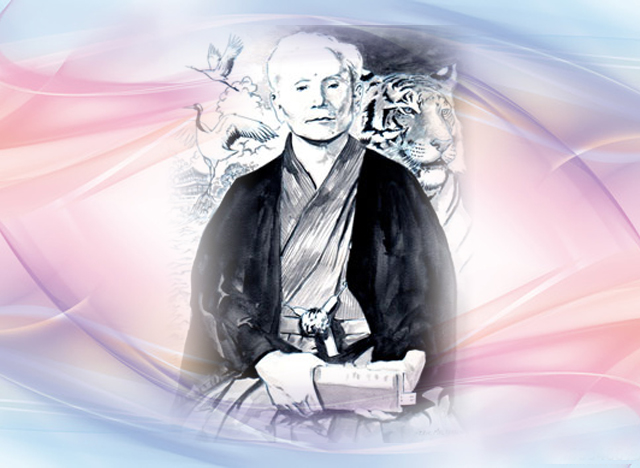
Funakoshi Gichin is the founder of Shotokan Karate. Master Funakoshi was a well respected and highly skilled martial artist. And while the contribution he made toward the technical world of martial arts is undeniable, his niju kun, or 20 precepts, are what have impacted me the most.
“Just as it is the clear mirror that reflects without distortion, or the quiet valley that echoes a sound, so must one purge himself of selfish and evil thoughts, for only with a clear mind and conscience can he understand that which he receives.”